
A Resource Hidden in Plain Sight
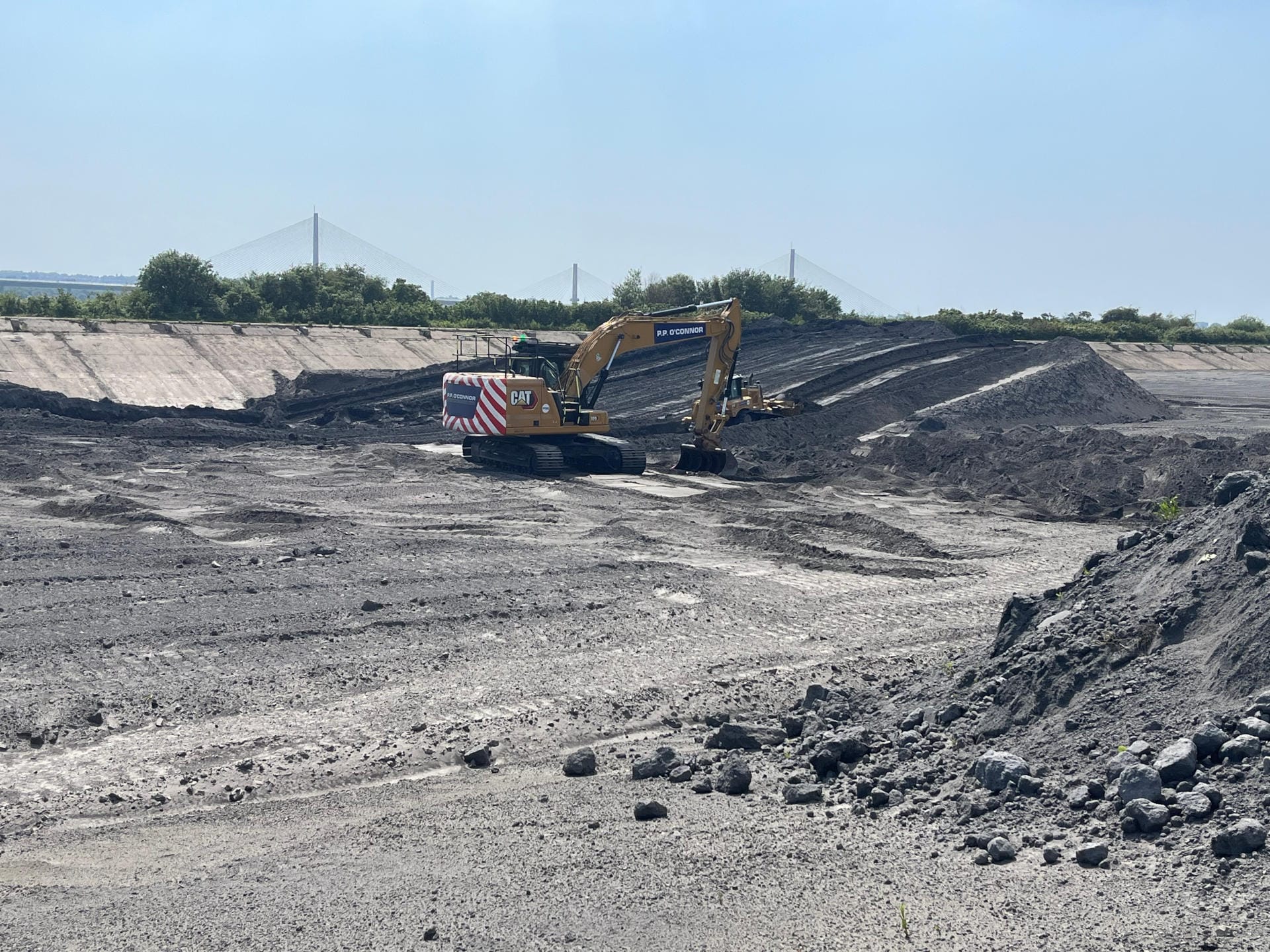
Coal power has ended in Britain, but its ash has not gone anywhere. Well over 100 million tonnes of legacy fly ash sit in UK stockpiles, some for more than 20 years, and billions of tonnes more lie in lagoons and landfills worldwide.
The Problem: A Costly Legacy
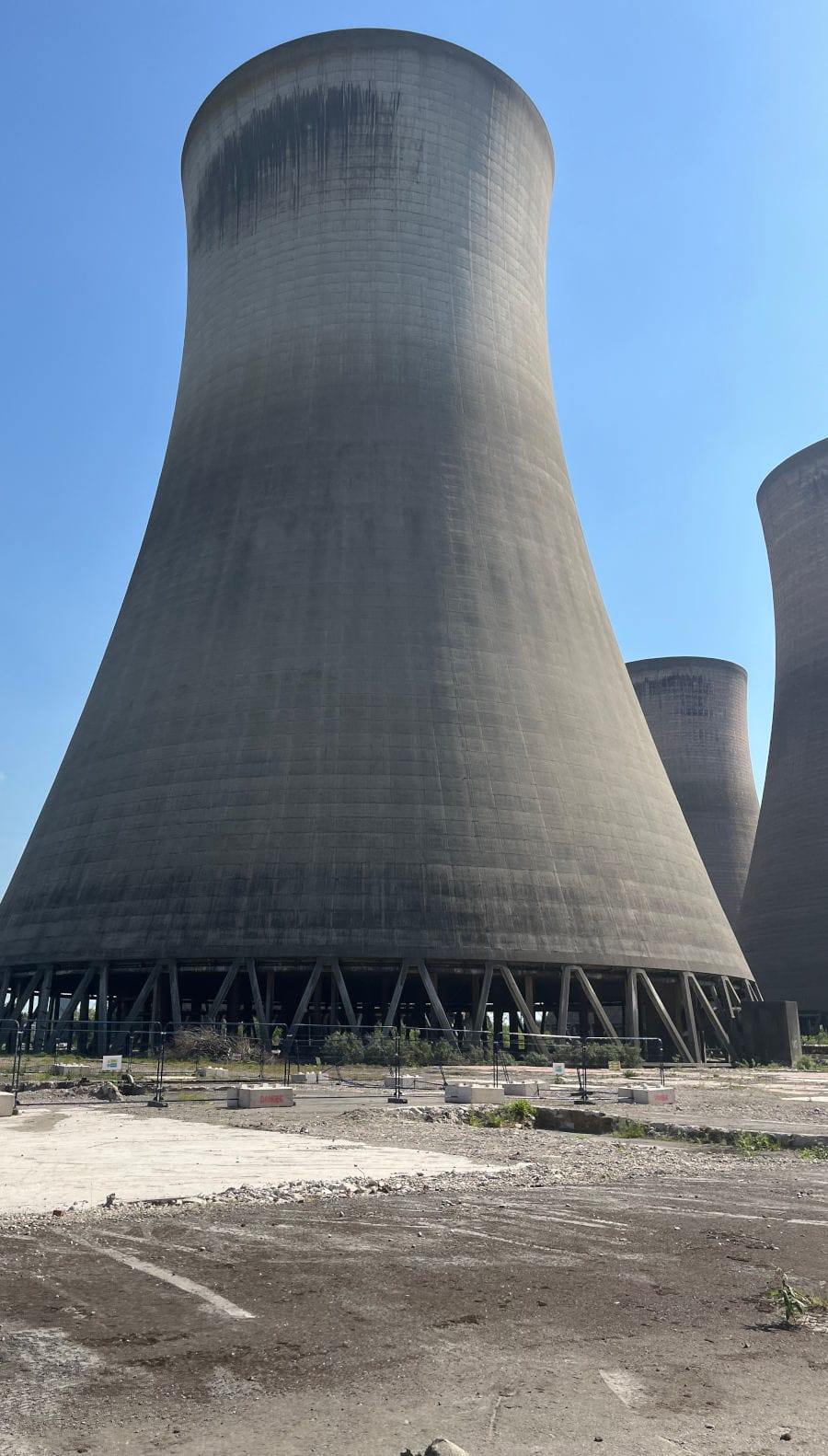
A fixed inventory. Britain's last coal station, Ratcliffe-on-Soar, closed in September 2024. Spain shut seven coal plants (4.6 GW) on a single day in June 2020 and has retired most of the rest since. No new ash is being made; what exists is a finite, mapped legacy.
An ongoing liability. Ash lagoons and landfills need dust control, drainage and water management, and long-term monitoring, with the cost falling on owners of sites that no longer earn revenue.
Rising disposal costs. UK landfill tax rose on 1 April 2026 to £130.75 per tonne at the standard rate, and even the lower rate for inert material more than doubled, to £8.85 per tonne.
A global problem. The United States alone holds more than 2 billion tons of previously disposed coal ash.
The Resource Case
PFA is chemically similar to the aluminium clays and kaolin already leached commercially to make aluminium compounds. A typical deposit carries about 45% silica, 23% alumina, 15% unburnt carbon and 6.5% iron oxide, with around 7% potassium, calcium, magnesium, titanium and sodium oxides and trace levels of scandium, rubidium, gallium, hafnium and rare earths.
We estimate the PFA resource across the UK and Spain at 250-425 million tonnes, of which 200-300 million tonnes sits at 18 former power stations we have reviewed in detail.
Why Cement is the Low-Value Route
Today most recovered ash goes into cement. Flotation or tribostatic separation removes about 70% of the unburnt carbon, the ash is blended into cement, and the remaining carbon burns off in the kiln.
| Ash component | ||
|---|---|---|
| Carbon (15%) | ||
| Alumina (23%) | ||
| Silica (45%) | ||
| Iron, potassium, magnesium | ||
| Critical minerals | ||
| Indicative value | ||
| Cement blending still has a role for lower-grade ash, and it does cut clinker emissions. But it captures a small fraction of the ash's value, and the critical minerals it contains are gone for good. | ||
| * Before capital and operating costs; see the note on the Home page. | ||